Can day trading affect sleep? Yes — day trading can affect sleep by raising stress, worsening sleep quality, and triggering insomnia and financial anxiety.
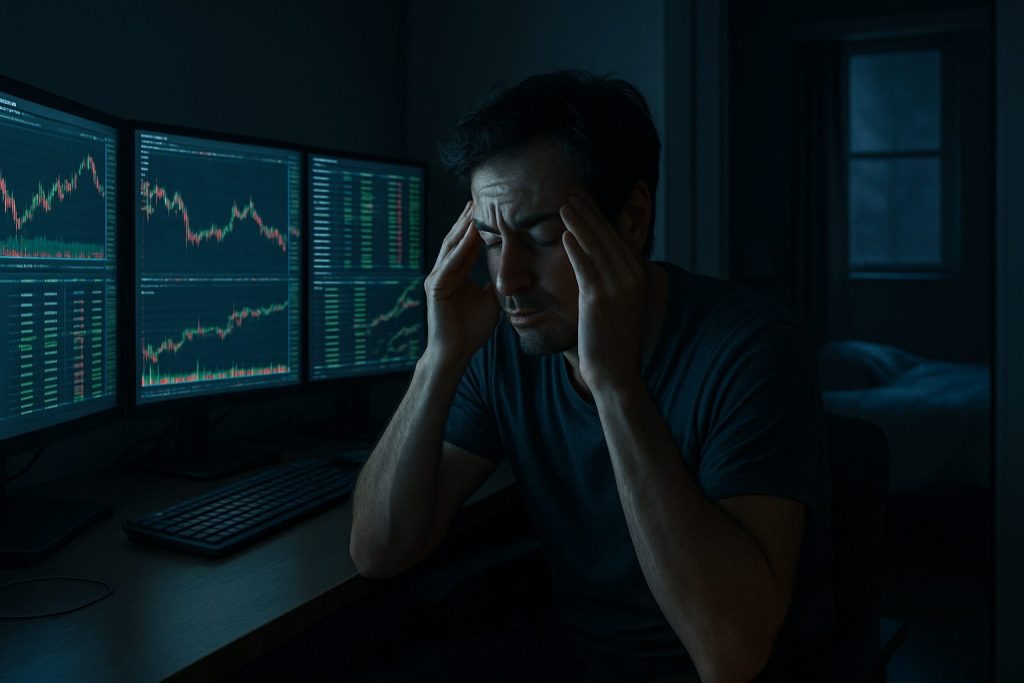
Markets move fast and emotions move faster. A day trader watching candles across different time zones often faces interrupted nights, racing thoughts, and decisions made under fatigue. Trading hours and the pressure to respond instantly can fracture routines and erode the balance between work and rest. The mental load of tracking positions on platforms such as Pocket Option, Quotex or Olymp Trade compounds over weeks, converting acute stress into chronic sleep problems and reduced cognitive function. Small lifestyle shifts — consistency in bedtime, screen rules, and structured risk limits — can reverse that trend. Practical changes not only protect sleep but also preserve emotional resilience and long-term performance. Below are evidence-based angles on how trading impacts the body and mind, real-world examples, and clear steps to recover better nights while keeping a trading edge.
How day trading disrupts sleep and sleep quality
Short, intense market sessions and pre/post-market analysis expand the effective trading day. That extension frequently shifts sleep timing and reduces total rest.
- Trading hours that overlap personal sleep windows raise the chance of late-night screen time.
- Open positions create financial anxiety that activates the stress response at night.
- Microsleeps and fragmented rest reduce overall sleep quality and impair next-day decision-making.
Example: a part-time trader named Alex keeps a swing position overnight to capture a gap. Alex wakes repeatedly, watches charts, and ends up in a cycle of poor sleep and poor trade choices the next day.
| Issue | Typical effect on traders | Short mitigation |
|---|---|---|
| Insomnia | Hard to fall asleep; intrusive thoughts about open trades | Set strict position limits; use alerts instead of constant monitoring |
| Reduced cognitive function | Slower reaction times, poor pattern recognition | Adopt a fixed sleep schedule and short naps where appropriate |
| Financial anxiety | Increased risk-taking or avoidance behaviors | Use predefined stop-losses and reduce leverage |
Key insight: interrupting the night for trades creates a negative feedback loop—poorer sleep lowers trade quality, which increases stress and further harms sleep.
Stress, mental health and the path to burnout in day trading
High-frequency decision-making and constant market exposure can magnify stress into chronic strain. Emotional exhaustion becomes a real threat.
- Mental health declines when stress remains unmanaged; mood swings and reduced motivation follow.
- Persistent stress promotes insomnia, which then worsens emotional regulation.
- Unchecked patterns lead to burnout—see research threads on day trading burnout for parallels and prevention tips.
A fictional trader, Lina, tracked losses for several consecutive sessions and began skipping recovery rituals—exercise and social time—until sleep vanished. That omission reduced her patience and led to impulsive trades.
Further reading on related risks: articles on whether day trading causes anxiety, if day trading is stressful, and how it can contribute to burnout or even depression (study and testimonies).
Key insight: unmanaged market stress deteriorates sleep and mental health; early interventions preserve both wellbeing and trading edge.
Practical routines to protect sleep, cognitive function and work-life balance
Recovery strategies matter as much as edge in markets. Structured routines lower financial anxiety and restore sleep quality.
- Limit screen exposure at least 60 minutes before bed; use night filters earlier in the evening.
- Fix trading hours and avoid overnight positions when possible.
- Apply strict risk rules—automated stops and position sizing reduce nocturnal rumination.
- Integrate daily micro-recoveries: short walks, breathing exercises, and a pre-sleep ritual.
| Strategy | Benefit | How to implement |
|---|---|---|
| Fixed trading schedule | Predictable sleep window | Trade only during designated hours; avoid impulsive entries |
| Automated risk controls | Reduces night-time vigilance | Use predefined stops and set alerts (Pocket Option, Quotex, Olymp Trade support such tools) |
| Evening unwind routine | Improves sleep onset and depth | Include low-stimulation activities and a consistent bedtime |
Practical example: a trader who switched to day-only positions and used automated stops reported fewer awakenings and clearer trade decisions within two weeks.
Key insight: discipline in schedule and risk limits protects both sleep and long-term profitability.
Common questions about day trading and sleep — helpful answers
How soon can sleep improve after changing trading habits?
Sleep quality often shows measurable improvement within 1–3 weeks of consistent schedule and risk changes. Short-term anxiety may persist, so pair behavioral tweaks with relaxation practices for faster gains.
Can naps help a sleep-deprived trader without harming night sleep?
Planned short naps (10–30 minutes) can restore alertness and cognitive function without significantly disrupting night-time sleep, when scheduled early in the day.
Are night-time alerts on trading platforms harmful for sleep?
Frequent or loud alerts fragment rest and raise stress. Use aggregated daily summaries and non-invasive alerts, and rely on platforms that enable silent notifications where appropriate.
When should a trader seek professional help for insomnia or anxiety?
If sleep problems or financial anxiety last more than a month or impair daily functioning, consulting a sleep specialist or mental health professional is recommended.
Where to read more about psychological risks of day trading?
Explore focused analyses on whether day trading causes depression, whether day trading leads to burnout, and why trading can be stressful. For anxiety-specific insights see this resource. Also review platform settings on official sites (for example, Pocket Option) to learn notification and risk control features.

With over a decade of experience navigating global financial markets, I specialize in identifying trends and managing risk as a professional trader. My passion for economics drives my daily commitment to staying ahead in this fast-paced industry. Outside of the markets, I enjoy exploring technology like cryptocurrencies and new investment strategies.