Can day trading cause depression? Yes — day trading can cause depression when chronic stress, repeated losses and unmanaged financial anxiety overwhelm a trader’s mental health.
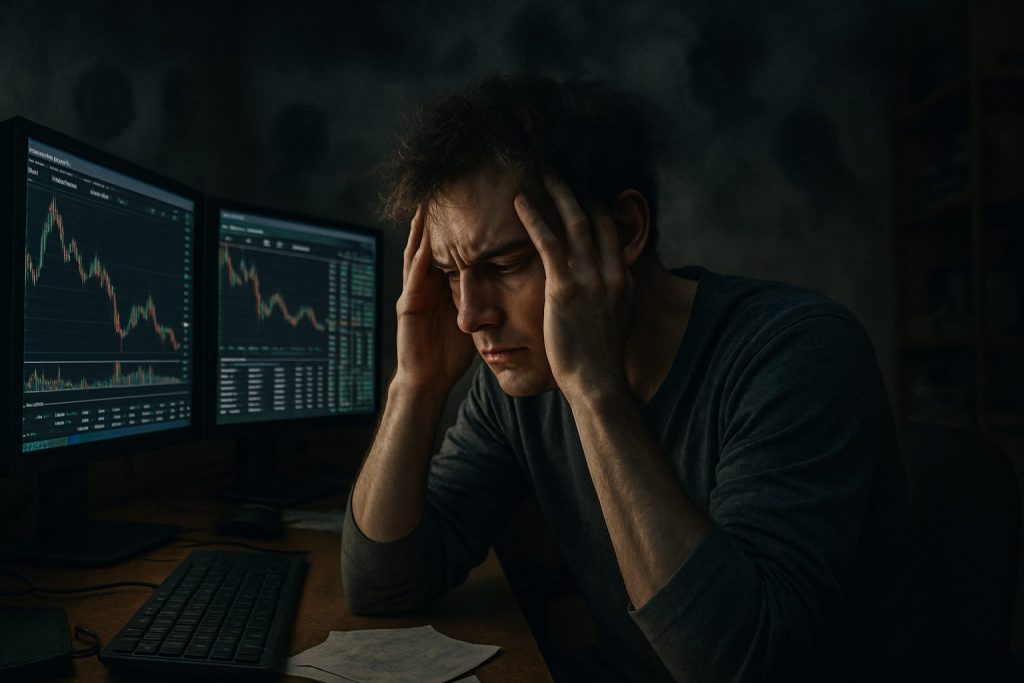
Day trading sits at the intersection of fast action and deep uncertainty, and its emotional toll is often underestimated. The constant cycle of decision-making, the lure of quick profits, and the sting of sudden drawdowns can create a slow-burning strain on wellbeing. In markets that never truly sleep, a trader like “Alex” — an archetype of many retail traders — wakes early, chases setups across time zones, and carries the residue of losses into family life. Over months, sleepless nights, compulsive screen-checking, and rising stress reshape thought patterns: intrusive worries about money, self-worth tied to account balance, and avoidance behaviours that mirror clinical depression. This piece examines the psychological effects of day trading, why market volatility and high leverage magnify harm, and practical ways to protect mental health with better risk management, structure, and coping tools. Readers will find clear signs to watch for, concrete routines to reduce financial anxiety, and a pathway for restoring balance without abandoning the craft.
How day trading affects mental health and raises risk of depression
Day trading exposes traders to rapid feedback loops where every outcome arrives loaded with emotion. Losses hit fast and often, and that repeated negative reinforcement can erode resilience.
- Chronic stress from constant monitoring and decision fatigue.
- Financial anxiety tied to drawdowns and leverage.
- Emotional impact of public comparison and social pressure to “perform.”
- Sleep disruption due to after-hours market moves or rumination.
Example: Alex experienced a string of losing days after increasing position sizes; the fear of further losses led to avoidance of valid setups, then to impulsive “revenge” trades — a classic pathway from stress to depression-like withdrawal.
| Driver | Psychological effects | Concrete signs to watch |
|---|---|---|
| Frequent losses / drawdowns | Hopelessness, decreased motivation | Avoiding charts, loss of confidence |
| High leverage | Heightened anxiety, panic | Racing heart, sweaty palms during trades |
| 24/5 market exposure | Chronic alertness, sleep problems | Interrupted sleep, constant checking phone |
Key insight: Mental health impact grows when emotional reactions become the default trading response.
Why market volatility and trading psychology amplify depression risk
Certain market structures intensify emotional load. In forex and other highly liquid markets, sudden moves and global news create unpredictable swings that test psychological limits.
- Market volatility creates frequent surprises that tax the nervous system.
- Trading psychology failures—perfectionism, impulsivity, comparison—turn normal losses into identity threats.
- Information overload breeds analysis paralysis and decision avoidance.
Case study: Alex watched a central bank surprise interest-rate decision wipe out a day’s gains. The result was not just a financial hit but a spiralling of self-blame and rumination that lasted days.
Practical markers of escalation include persistent negative thinking, withdrawal from social life, and decreased interest in enjoyable activities — signs that go beyond ordinary trading stress to potential clinical concern.
Key insight: Volatile markets reveal weaknesses in risk management and in emotional preparedness — both are fixable, but they must be addressed directly.
Risk management, routines and psychological tools to prevent depression from trading
Reducing the emotional impact of day trading requires both structural rules and inner work. The combination creates safety: limits on losses and practices that calm the nervous system.
- Rules-based trading plan with clear entry, stop-loss and size limits.
- Defined trading hours to prevent burnout and decision fatigue.
- Pre-trade mindfulness and short reset rituals after sessions.
- Journaling to track emotions alongside performance.
| Tool | How it protects mental health | Actionable step |
|---|---|---|
| Position sizing | Limits swings in account balance and reduces panic | Risk 1–2% of account per trade; use a size calculator |
| Stop-loss discipline | Removes guesswork and prevents runaway losses | Set stop-loss before entering; never move it in panic |
| Pre-defined circuit breakers | Prevents trading while emotionally compromised | Stop after 2 losses or after breaking a rule; take 24–48 hrs off |
Key insight: Consistent habits and simple limits protect both capital and mental health — they turn vulnerability into resilience.
Practical checklist for traders worried about depression and stress
- Recognize signs: persistent sadness, sleep loss, loss of interest, social withdrawal.
- Implement at least two structural rules: max daily loss & fixed trading hours.
- Introduce one daily ritual: 5-minute breathing before the session.
- Scale down risk: trade micro-lots or demo when emotions run high.
- Seek support: talk to a peer, mentor, or mental health professional if symptoms persist.
Insight: Early intervention preserves both account and life — it’s a strategic, not sentimental, choice.
Can day trading cause depression in long-term scenarios?
Yes — prolonged exposure to unmanaged stress, repeated financial losses, and social isolation can evolve into depression. The path usually involves escalating financial anxiety, sleep disruption, and behavioural changes like avoidance or compulsive trading.
When should a trader seek professional help?
If low mood lasts more than two weeks, affects daily functioning, or includes self-harm thoughts, professional help is necessary. Combining therapeutic support with trading adjustments gives the best chance to recover and return to trading safely.
How do risk management rules reduce psychological effects?
Clear rules limit exposure to catastrophic outcomes, which lowers the emotional stakes of each trade. Smaller, controlled losses prevent the acute stress reactions that spiral into longer-term anxiety or depression.
Are there trading platforms that help with mental health features?
Some platforms provide demo accounts, position sizing calculators, and session timers that support healthier trading habits. Choosing a platform that encourages proper risk management and provides educational resources can reduce emotional strain.
What daily habits help maintain mental health while day trading?
Short mindfulness before sessions, strict trading hours, journaling emotions with trades, regular exercise, and social time outside trading are powerful protective habits.

With over a decade of experience navigating global financial markets, I specialize in identifying trends and managing risk as a professional trader. My passion for economics drives my daily commitment to staying ahead in this fast-paced industry. Outside of the markets, I enjoy exploring technology like cryptocurrencies and new investment strategies.