Can day trading cause isolation? Yes — day trading can cause isolation through long solitary hours, social withdrawal, and heightened stress that erode emotional well‑being.
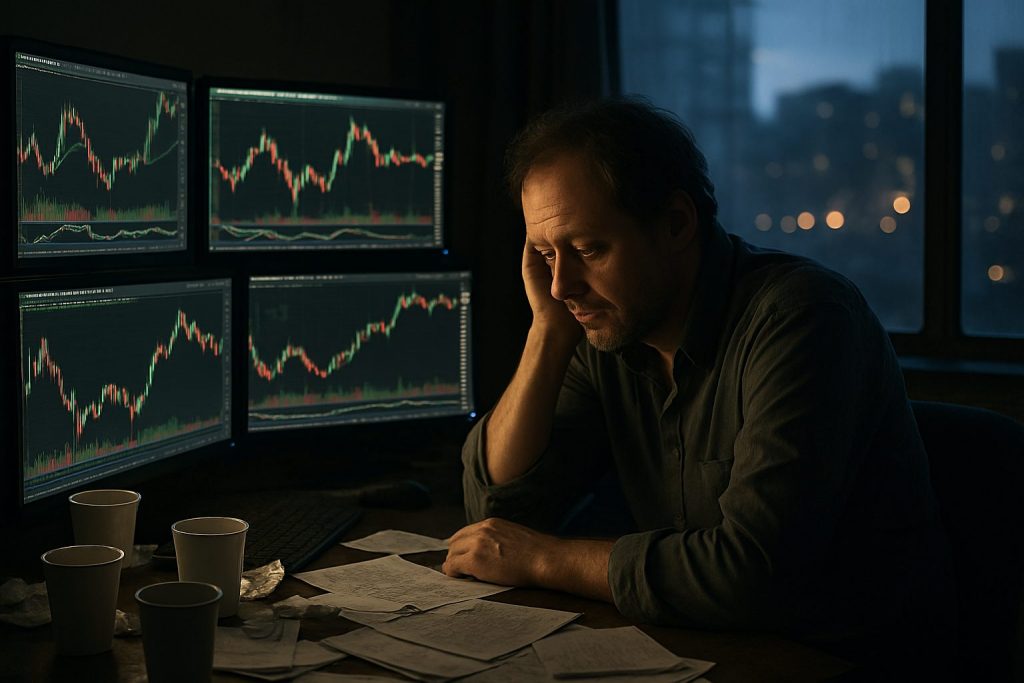
Day trading sits at the crossroads of intense focus and personal sacrifice: traders often spend long stretches alone, scanning screens and rehearsing strategies, which can turn into social withdrawal and a shrinking support network. Studies and anecdotal reports show that active real‑time traders score higher on loneliness measures, and many describe the work as a “very lonely sport.” The combination of pressure to perform, frequent losses, and the niche nature of financial trading means emotional burdens are carried in private. Yet isolation is not an inevitability — awareness, structured routines and community practices can protect mental health and restore a healthier work‑life balance. Below are practical angles to understand why day trading breeds solitude, how that affects mental health, and clear steps to reduce isolation while keeping trading goals intact.
Why day trading fosters isolation: the mechanics of loneliness in financial trading
Day trading often requires uninterrupted attention during market hours and lengthy preparation outside of them. That rhythm naturally limits social interaction and can magnify feelings of loneliness, especially when losses occur.
- Time demand: long premarket study and post‑market review reduce time for social activities.
- Niche activity: few close peers understand the trading psychology and unique pressures.
- Emotional secrecy: traders may hide losses to avoid stigma, increasing social withdrawal.
- Performance volatility: stress from swings in P&L can lead to avoidance of conversations about money.
| Driver | How it causes isolation | Typical signs |
|---|---|---|
| Long hours | Fewer opportunities for in‑person contact | Missed social events, irregular sleep |
| Niche focus | Lack of shared topics outside markets | Difficulty relating to friends/family |
| Psychological stakes | Shame over losses, reluctance to discuss trades | Secretive behavior, anxiety |
Insight: Isolation often grows from the daily structure of trading rather than a single event — addressing rhythm and routines is the first step to change.
How isolation affects mental health and trading psychology
When social life shrinks, psychological costs follow: increased stress, risk of depression, and impaired decision‑making. Emotional wellbeing and trading performance are tightly linked.
- Stress amplification: constant vigilance raises cortisol and can trigger burnout.
- Decision bias: loneliness can deepen cognitive biases (e.g., chasing losses, overconfidence).
- Health consequences: poor sleep and inactivity harm concentration and risk tolerance.
| Psychological effect | Impact on trading | Signals to watch for |
|---|---|---|
| Anxiety | Hesitation or impulsive exits | Racing thoughts, trouble sleeping |
| Depression | Loss of motivation, missed setups | Withdrawal from peers, low energy |
| Burnout | Diminished returns, careless risk | Apathy, increased errors |
Practical signpost: persistent mood changes and declining P&L together are a red flag — mental health impacts trading outcomes, and vice versa.
Actions traders can take to reduce isolation and preserve emotional well‑being
Combating isolation is a mix of structure, social design and mental hygiene. Concrete changes make a measurable difference for both life and performance.
- Create a schedule: set strict trading hours and clear off‑market times for family, exercise and hobbies.
- Join targeted groups: mentor circles or paid study groups can convert a solitary sport into a team activity.
- Keep a trading journal: document trades and emotions to externalize stress and learn patterns.
- Seek professional help: therapy or coaching if anxiety, depression, or addiction signs appear.
- Balance technology use: limit constant price‑checking; use alerts and batch reviews.
| Action | How it counters isolation | Example |
|---|---|---|
| Scheduled social time | Restores connections and perspective | Daily post‑market walk or dinner |
| Peer groups | Provides accountability and shared learning | Nightly Zoom trade review |
| Journaling | Externalizes emotion and reduces secrecy | One‑line emotional note per trade |
Tip: small, consistent social rituals (even brief) rebuild resilience more effectively than occasional grand gestures.
Resources and further reading on day trading, stress and recovery
To explore the links between day trading and mental health, and to find practical tools for recovery and balance, the following resources offer research, guidance and personal perspectives.
- On how trading affects the mind: Can day trading ruin your mental health?
- On depressive symptoms among traders: Can day trading cause depression?
- On the stress mechanics of active trading: Is day trading stressful?
- On anxiety linked to market exposure: Can day trading cause anxiety?
- On burnout prevention and recovery: Can day trading lead to burnout?
| Topic | Recommended next step | Resource type |
|---|---|---|
| Immediate distress | Contact a mental health professional | Therapy / Hotline |
| Skill isolation | Join a mentor or peer group | Community / Courses |
| Chronic burnout | Take a planned market break and reassess risk | Personal plan |
Final thought for this section: using structured supports and outside perspectives is essential to sustain both health and a long trading career.
Common questions about day trading, isolation and emotional well‑being
Can day trading really cause depression or anxiety?
Yes — prolonged isolation, high stress and repeated financial losses can contribute to depressive symptoms or anxiety. Early signs include persistent sadness, sleep disruption, and overwhelming worry about trades. If these appear, seek professional help and consider adjustments to trading routines.
What are quick steps to reduce social withdrawal while trading?
Set strict trading hours, schedule daily non‑trading social time, keep a concise trading journal, and join a focused peer group or mentor. These steps protect both emotional well‑being and trading clarity.
When should a trader consider therapy or coaching?
If trading causes sustained impairment in daily functioning, relationship strain, or increased substance use, professional therapy or a trading coach should be considered. Therapy can address underlying issues; coaching can rebuild strategy and discipline.
Are online trading groups helpful or harmful for isolation?
They can be both. High‑quality groups with clear rules and constructive feedback reduce isolation and improve learning. Unstructured chatrooms can increase impulsivity and stress. Seek moderated, skills‑focused communities rather than noise.
How can retirement or part‑time trading reduce isolation risks?
Trading part‑time or combining it with another social occupation limits isolation by diversifying identity and daily interactions. Structured diversification of time supports emotional balance and long‑term trading health.

With over a decade of experience navigating global financial markets, I specialize in identifying trends and managing risk as a professional trader. My passion for economics drives my daily commitment to staying ahead in this fast-paced industry. Outside of the markets, I enjoy exploring technology like cryptocurrencies and new investment strategies.