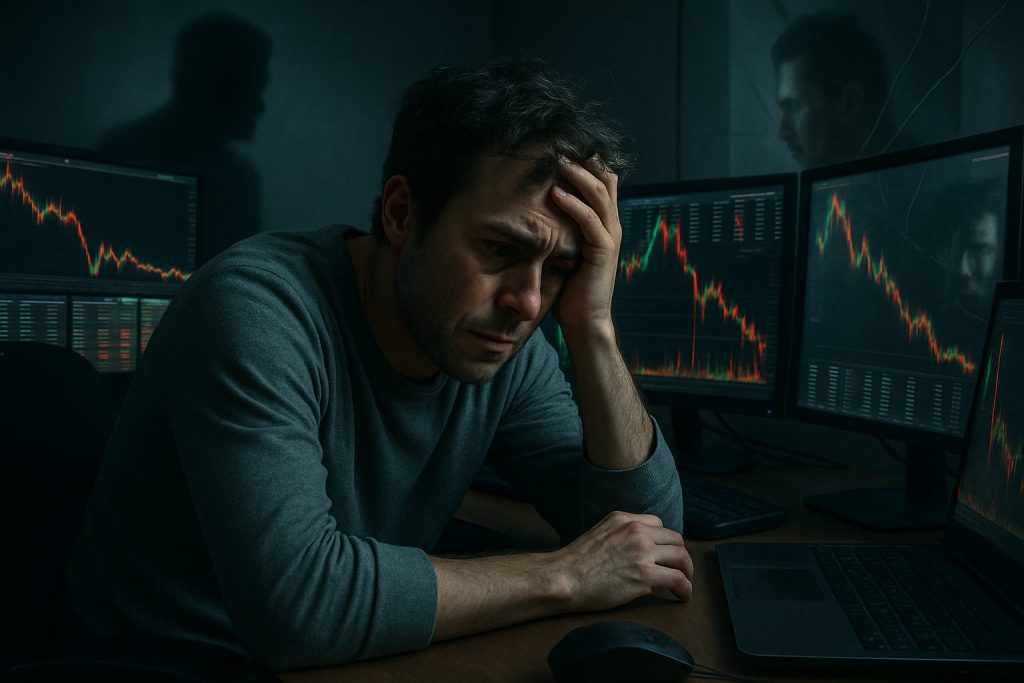
Day trading can ruin your mental health. It can amplify stress, anxiety and financial pressure if left unchecked.
Day trading has become highly accessible through platforms such as Pocket Option, Quotex, and Olymp Trade, and that accessibility hides a darker reality: frequent, speculative trades can erode emotional well‑being and trigger serious mental health issues. Rapid wins and sudden losses create intense dopamine swings that mimic gambling, increasing cognitive load and the risk of obsession. Traders often face sleepless nights, chronic stress, and creeping anxiety as they chase small market moves or try to recover losses. Social isolation, strained relationships, and declining physical health frequently follow, and some traders turn to unhealthy coping like substance use. Practical steps — education, strict risk management, time limits, and seeking professional help early — can reduce harm, but recognition is crucial: persistent symptoms such as constant market rumination, neglecting duties, or trading despite heavy losses are warning signs. For more on sleep and burnout linked to trading, see this analysis on sleep and this report on burnout. Awareness is the first protective move.
How day trading damages mental health: stress, anxiety and cognitive load
Short-term, high-frequency trading places enormous mental demands on an individual. The constant flow of information, rapid decision-making and emotional highs and lows create heavy cognitive load.
- Acute stress from watching positions and volatility every minute.
- Anxiety fueled by fear of missing out and loss aversion.
- Burnout driven by long hours and sleep disruption; see research on whether day trading affects sleep.
| Psychological effect | Typical triggers | Short-term impact |
|---|---|---|
| Anxiety | Rapid losses, FOMO, market noise | Panic decisions, sleeplessness |
| Stress | High leverage, time pressure | Elevated cortisol, irritability |
| Burnout | Long sessions, no breaks | Emotional numbness, decreased performance |
Example: a trader working 10+ hours a day on a single screen will likely experience degraded decision-making within days, increasing losses and reinforcing the stress cycle.
That video highlights how rapid trading cycles create hormone-driven responses that impair judgment. Key insight: mental strain usually precedes big financial losses.
Why addiction-like patterns form in day trading and how they resemble gambling
Day trading addiction shares psychological drivers with other behavioral addictions: the thrill of quick wins, the urge to recoup losses, and social reinforcement from online communities.
- Dopamine loops: intermittent rewards from wins keep the brain seeking the next hit.
- Loss-chasing: attempts to recover losses lead to escalating position sizes.
- Social proof: forums and chats amplify herd behavior and FOMO.
| Behavior | Risk signal | Practical step |
|---|---|---|
| Compulsive checking | Trading disrupts other responsibilities | Set fixed trading hours and alarms |
| Overtrading | High frequency without strategy | Limit trades per day and use position caps |
| Revenge trading | Trades to recoup losses | Enforce cooling-off periods after large losses |
Case study: a retail trader who increased risk after a bad day often compounds losses; the emotional desire to “win back” money overrides analytical risk limits. For evidence on anxiety and depression links, read analyses on whether day trading causes anxiety and if day trading can cause depression. Final thought for this section: recognizing reward-chasing behavior early reduces the likelihood of addiction.
The clip above compares trading behavior to gambling neuroscience and recommends behavioral guards such as documented rules and peer accountability.
Practical protections: risk management, routines and emotional-first aid
Mitigation combines technical rules and mental health practices. Strong risk management reduces exposure, while mindfulness and sleep hygiene protect emotional resilience.
- Set strict capital limits: only risk money that tolerates loss.
- Define daily trade caps and time blocks to lower cognitive load.
- Keep a trading journal to separate emotion from outcome.
| Protection | How to implement | Expected outcome |
|---|---|---|
| Stop-loss rules | Predefine exit points for each trade | Limits catastrophic loss and reduces panic |
| Time limits | Trade only within set hours, enforce breaks | Lower burnout and improve sleep |
| Mental health check-ins | Weekly reviews with a peer or therapist | Early detection of harmful patterns |
Practical resources: for guidance on burnout and recovery after big losses, consult pieces on whether day trading leads to burnout and how to recover if you lose everything at Can I recover if I lose everything. Quick insight: systems protect emotions better than willpower alone.
Recognizing danger signs and finding help
Early recognition prevents escalation. Watch for persistent rumination about markets, missed obligations, sleeping poorly, or using substances to cope. These are actionable red flags.
- Sign: persistent market obsession interfering with work or family.
- Sign: trading after losses despite mounting debt.
- Sign: neglecting basic self-care or seeking substance relief.
| Warning sign | Why it matters | First step |
|---|---|---|
| Constant market checking | Indicates intrusive thoughts and anxiety | Schedule device-free periods and limit access |
| Trading despite losses | Suggests impaired judgment and addiction | Seek counseling and implement trade freezes |
| Sleep loss and mood swings | Worsens cognition and increases risk | Prioritize sleep routines; see info on is day trading stressful |
Help options: mental health professionals familiar with behavioral addictions, peer support groups, and specialist programs for trading-related harm. For realistic expectations about making money from frequent trading, consult this analysis on whether you can make $2,000 a week day trading. Closing thought: seeking help early dramatically improves outcomes.
Common questions about day trading and mental health
Can day trading cause long-term depression or anxiety?
Yes — chronic stress, repeated losses, and isolation can precipitate persistent anxiety or depressive episodes. Early interventions like therapy, sleep restoration and structural trading rules reduce long-term risk.
How does sleep disruption affect trading decisions?
Poor sleep magnifies cognitive load and impairs risk assessment. Research shows traders with disrupted sleep make more impulsive trades; see further reading on how day trading affects sleep.
What immediate steps should someone take if trading causes severe stress?
Pause trading, enforce a trade-free cooling-off period, reach out to a mental health professional, and create a simple risk plan (capital caps and stop-losses). If losses are catastrophic, consult financial and legal advisors and explore recovery resources at recover after loss.
Are there programs that treat day trading addiction?
Yes. Many behavioral addiction programs and some specialized services address trading-related compulsions. Support groups and clinicians familiar with impulse-control disorders are effective starting points.
Is it possible to trade safely without risking mental health?
Yes, with disciplined risk management, clear time boundaries, peer accountability, and attention to emotional well‑being. Treat trading as a structured activity, not entertainment, and monitor stress levels continuously.

With over a decade of experience navigating global financial markets, I specialize in identifying trends and managing risk as a professional trader. My passion for economics drives my daily commitment to staying ahead in this fast-paced industry. Outside of the markets, I enjoy exploring technology like cryptocurrencies and new investment strategies.