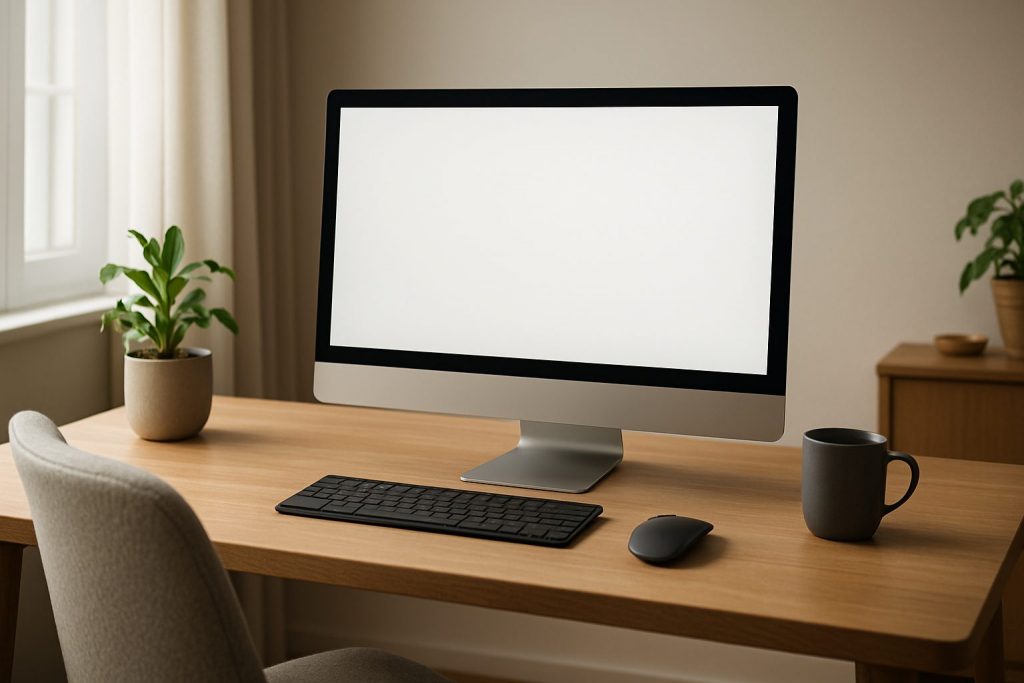
Can beginners start with one screen only? Yes — beginners can start with one screen only: a single screen setup is fully sufficient and often *beginner friendly* to start a trading workflow.
Trading beginners often wonder whether a multi-screen rig is mandatory. In practice, a focused start on a single screen gives clarity, reduces distractions and speeds up learning curves. A single, well-organised display can host charts, order tickets and a compact user interface without overwhelming the trader. Real-world traders who shifted from multi-screen to one screen report stronger concentration and better decision discipline. For those worried about missing data, tools like split windows, screen sharing and compact chart templates keep essentials visible. This approach is especially useful for traders who use Pocket Option, Quotex or Olymp Trade platforms, where a clean view and fast actions matter most. Below, practical setups, layouts and upgrade signals are offered so beginners can start smart and scale later if needed.
Single screen setup for beginners: why one screen is enough to start
A beginner-friendly single screen setup helps build core skills: reading price action, managing risk, and mastering the platform’s user interface. Simplicity reduces cognitive load and improves pattern recognition.
- Focus over quantity: fewer windows = clearer decisions.
- Easy setup: portable, low cost, quick to configure for Pocket Option, Quotex or Olymp Trade.
- Beginner friendly: simpler layout reduces setup mistakes and learning friction.
| Aspect | Single Screen | Multi-Screen |
|---|---|---|
| Cost | Low | Higher |
| Setup time | Quick | Longer |
| Distraction level | Lower | Higher |
| Scalability for heavy flows | Moderate | High |
For beginners wanting to understand trading pitfalls, recommended reading includes articles on failure rates and practical constraints, such as why many day traders fail and whether a desktop or multiple monitors are necessary (do i need multiple monitors for day trading?).
Key insight: a single screen gives a strong starting point for skills development — mastery comes before expansion.
Beginner-friendly workflow and user interface tips for a single screen setup
Organising a single display requires deliberate layout choices so the trader can monitor charts, orders and news without clutter. This section shows practical layouts and compact workflows that are easy to adopt.
- Designate zones: primary chart, smaller trade ticket, and compact alert area.
- Use split windows or virtual desktops to toggle less-used tools like journals or macro calendars.
- Implement screen sharing during coaching sessions to get feedback without changing the setup.
| Layout piece | Purpose | Practical tip |
|---|---|---|
| Primary chart | Price action and indicators | Keep maximal space, remove non-essential indicators |
| Order ticket | Execute and manage trades | Pin or float ticket for quick access on Pocket Option/Quotex/Olymp Trade |
| Compact news/alerts | Essential headlines only | Filter alerts to reduce noise |
Useful links for deeper operational questions include platform choice and setup details: do i need a professional platform to start day trading? and whether bots are safer for beginners (are bots safer for beginners than manual trading?).
Key insight: a disciplined layout and compact user interface turn a single screen into a reliable trading workstation.
When to upgrade from one screen to multi-screen: signals and timing
Knowing when to expand the setup is as important as starting small. Upgrading should respond to workflow needs, not prestige. Below are concrete triggers and a decision matrix to guide the choice.
- Upgrade trigger: need to view multiple timeframes and order flows simultaneously without window switching.
- Upgrade trigger: professional obligations such as live market-making or managing many correlated instruments.
- Upgrade trigger: documented performance benefit after testing on a single screen.
| Signal | Action | Why it matters |
|---|---|---|
| Frequent window switching | Consider a second monitor | Reduces latency in decision making |
| Complex multi-instrument strategies | Add one extra screen | Improves simultaneous monitoring |
| No measurable benefit | Stay single screen | Maintains focus and simplicity |
Other practical considerations include whether trading is balanced with a full-time job (is day trading possible with a full-time job?) and hardware needs (do i need a desktop pc to day trade?).
Key insight: upgrade only when the additional screen clearly improves execution speed or risk management — otherwise, simplicity wins.
Common questions for beginners starting with one screen
Can beginners reliably learn on a single screen? Yes. A single screen is beginner friendly and often promotes better focus, making it ideal to start and refine core skills before expanding.
Will a single screen limit advanced strategies? Not necessarily. Many strategies can be practiced on one screen using split views and compact layouts; only complex, multi-instrument approaches typically need multi-screen setups.
How to avoid eye strain on one monitor? Follow the 20-20-20 rule: every 20 minutes look at something ~20 feet away for 20 seconds, adjust brightness, and consider blue-light reduction.
Should screen sharing be used during learning? Yes — screen sharing with a coach or mentor helps identify layout and execution errors quickly without changing the physical setup.
Additional reading and resources: check articles on trading isolation (can day trading cause isolation?) and position sizing from small accounts (how much can i make day trading with 100?).

With over a decade of experience navigating global financial markets, I specialize in identifying trends and managing risk as a professional trader. My passion for economics drives my daily commitment to staying ahead in this fast-paced industry. Outside of the markets, I enjoy exploring technology like cryptocurrencies and new investment strategies.